This event has passed
It took place 2 days ago. See upcoming conferences & summits in New York
Scientific Assessment of Geoengineering Proposals for Polar Regions
Scientific Assessment of Geoengineering Proposals for Polar Regions took place on Mon, Sep 21, 2026 at 1:00 PM (EDT) at WorkLife Meetings, Grand Assembly Theater in New York, NY, and runs until 2:30 PM.
About this event
Speakers discuss scientific criteria used to evaluate polar geoengineering proposals. The panel explains why current schemes fail objective tests regarding effectiveness and environmental risk. Experts offer methods to lower temperatures without dangerous engineering interventions.
Full description from organizerShow less
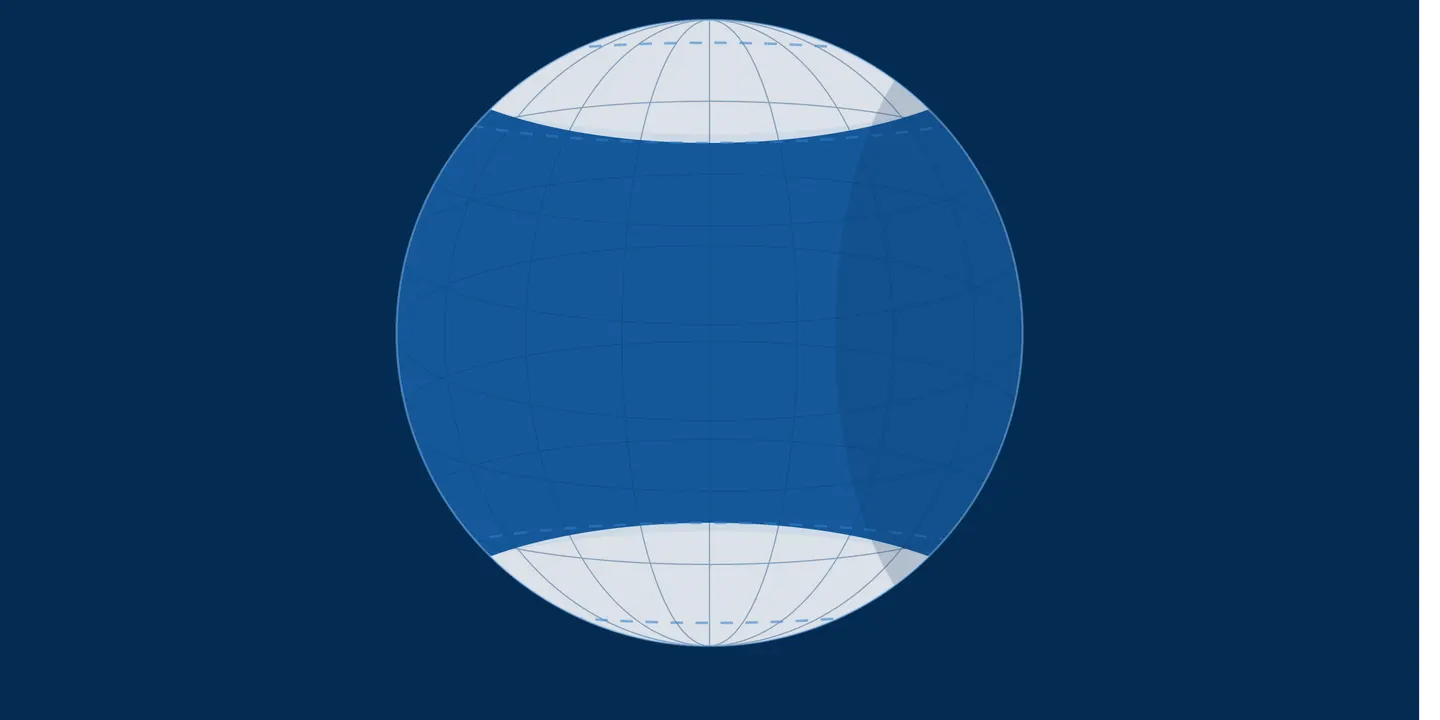
The impacts of ice loss at both poles - whether sea ice, glaciers, or the great polar ice sheets of Greenland and Antarctica - as well as greenhouse gas emissions from permafrost thaw has driven increasing talk of various geoengineering schemes aimed specifically at polar regions. Such proposals have moved from the drawing board to, in some cases, active field research aimed at implementation and drawing philanthropic funding, investor interest, and considerable press attention. Schemes include injecting reflective aerosols into the stratosphere, pumping seawater over sea ice to thicken it, pumping water beneath an ice sheet to slow its slide into the ocean, placing barriers to block warmer water from eroding ice from below and fertilizing oceans in different manners to draw down carbon dioxide. Unfortunately, these schemes are largely presented without critical scientific assessment, especially from the polar scientists and legal experts who actually work in both polar regions or in forums such as the Antarctic Treaty Mechanism. To fill this gap, last year more than forty polar and climate scientists published an extensively peer-reviewed and detailed assessment of five such "polar" geoengineering proposals, presenting a set of criteria which can be used also to evaluate any future such proposals. Based on their assessment under these criteria, which involve factors such as potential effectiveness, logistical feasibility, cost, environmental risk, and governance issues, they concluded that none meet these objective criteria, to the degree that further research would not be a good use of limited time and resources that could otherwise be used for improved decarbonization and carbon drawdown. Separately, other researchers with the Potsdam Institute and Climate Analytics have begun to detail means to bring down temperatures below 1.5C by the end of this century, even in the face of some degree of overshoot of this lower Paris Agreement temperature goal without resort to these costly, dangerous and (ultimately) ineffective geoengineering methods. This panel brings together several co-authors of that assessment to explain these criteria, how they were applied to these five schemes and how they might be used to assess future such proposals, to avoid displacing the essential monitoring and research to give early warning of ice sheet instability, shifts in ocean currents such as the AMOC, and more effective means of lowering temperature through sustainable carbon drawdown. This event is for researchers, funders, policymakers, journalists, investors and advocates looking for clear and objective scientific methods to assess this growing push to engineer the poles. Speakers: • Dr. Julie Brigham-Grette, Distinguished Professor and Head of the Department of Geosciences at UMass Amherst, U.S. representative to the Arctic Monitoring and Assessment Program (AMAP) of the Arctic Council, former Chair of the U.S. Polar Resource Board and head of the AGU Cryosphere Section • Dr Deneb Karentz, Emeritus Professor of Marine Science, University of San Francisco, Scientific Committee for Antarctic Research (SCAR) Standing Committee on the Antarctic Treaty System, former U.S. Delegate to SCAR and SCAR Vice President for Science • Dr. Bill Hare, CEO and Founder, Climate Analytics • Dr. Leigh Sterns, Professor, Earth and Environmental Science Graduate Chair, University of Pennsylvania • Dr. Susana Hancock, Global Mountains Director, International Cryosphere Climate Initiative • Dr. Ben Orlove, Professor of Environmental Science and Policy, University of California, Davis; Adjunct Senior Research Scientist, International Research Institute for Climate Prediction, Columbia University, New York
Keep going
All New York events →Similar events
View all →






Details
- When
- Mon, Sep 21, 2026 · 1:00 PM (EDT) · until 2:30 PM
- Where
- WorkLife Meetings, Grand Assembly Theater
- Address
- 250 W 34th St. 2nd floor, New York, NY 10119, USA
- Price
- Free
Questions
- When was Scientific Assessment of Geoengineering Proposals for Polar Regions?
- Mon, Sep 21, 2026 at 1:00 PM EDT.
- Where was Scientific Assessment of Geoengineering Proposals for Polar Regions?
- WorkLife Meetings, Grand Assembly Theater, 250 W 34th St. 2nd floor, New York, NY 10119, USA, New York, NY.
- What time did Scientific Assessment of Geoengineering Proposals for Polar Regions end?
- It runs until 2:30 PM.